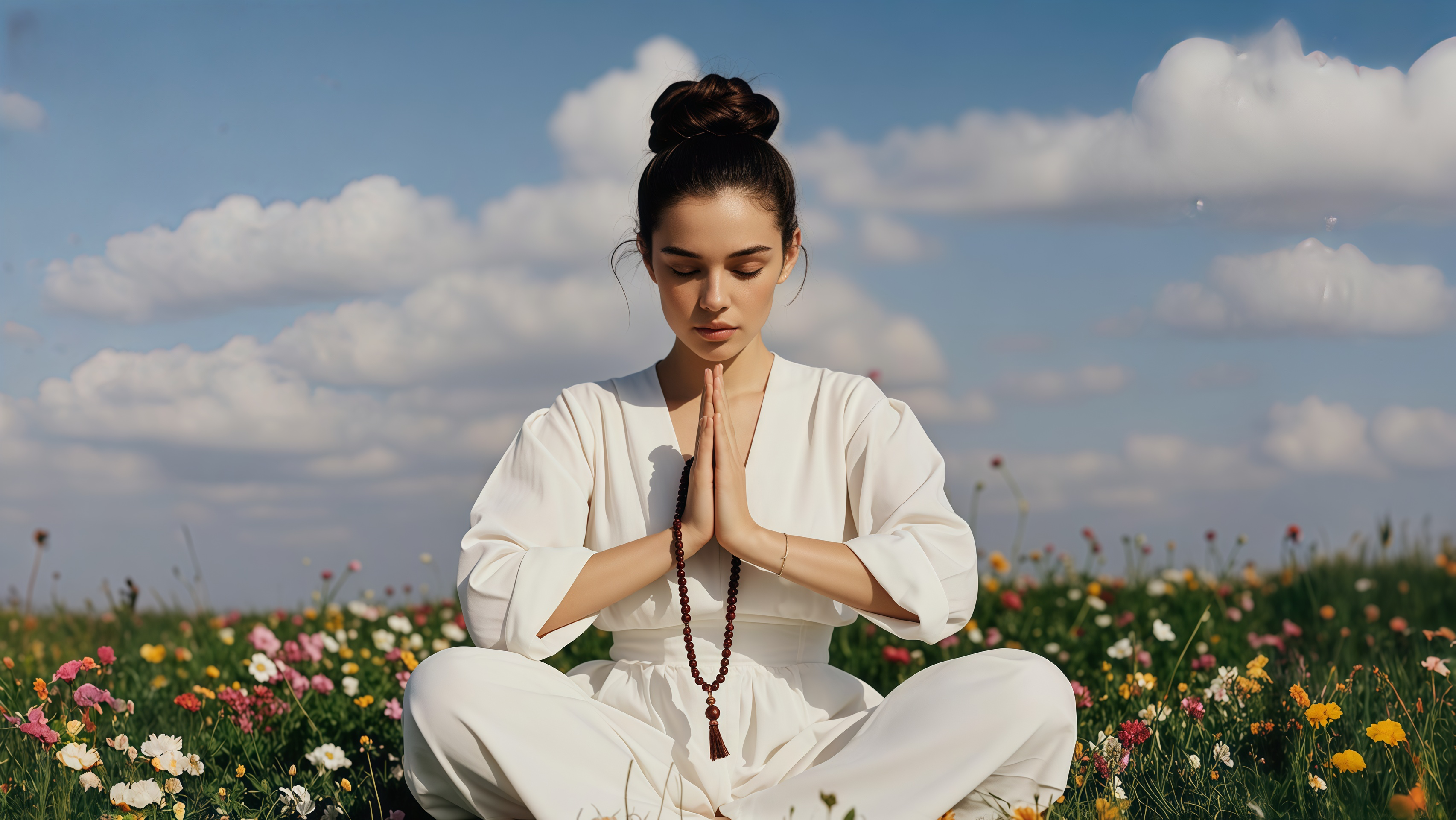
Carve out tranquility in the hustle and bustle, and take control of life in a breath
In the noisy symphony of the city, find your own quiet minor key, and in the complex waves of thoughts, return to the rhythm of breathing and the clarity of the heart. Let every breath become a bridge connecting to the inner world, regain control of the rhythm of life, and find your true self.
-
Year of the Horse Jade Ingot Luck Prosperity Rope Necklace Pendant
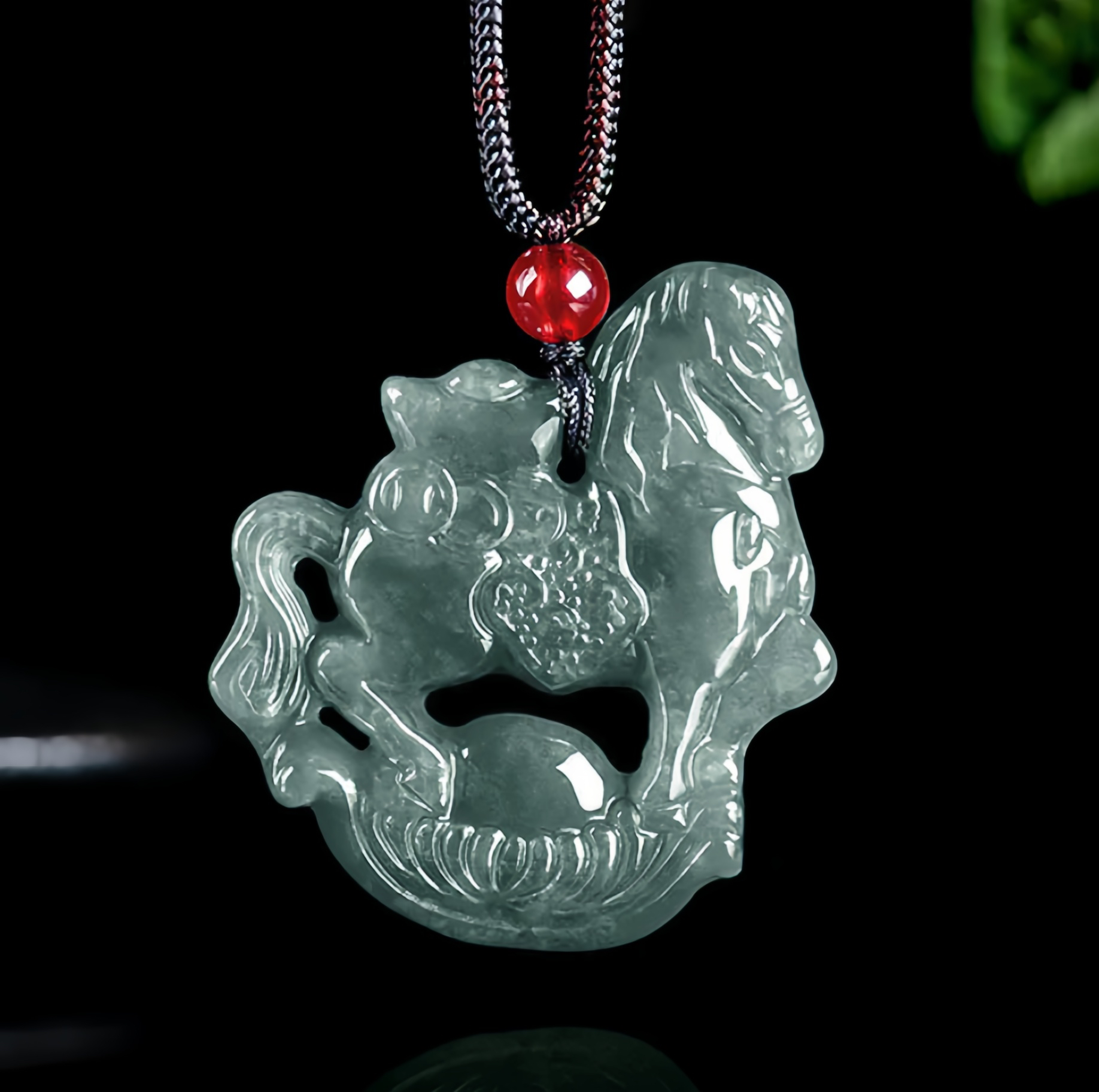
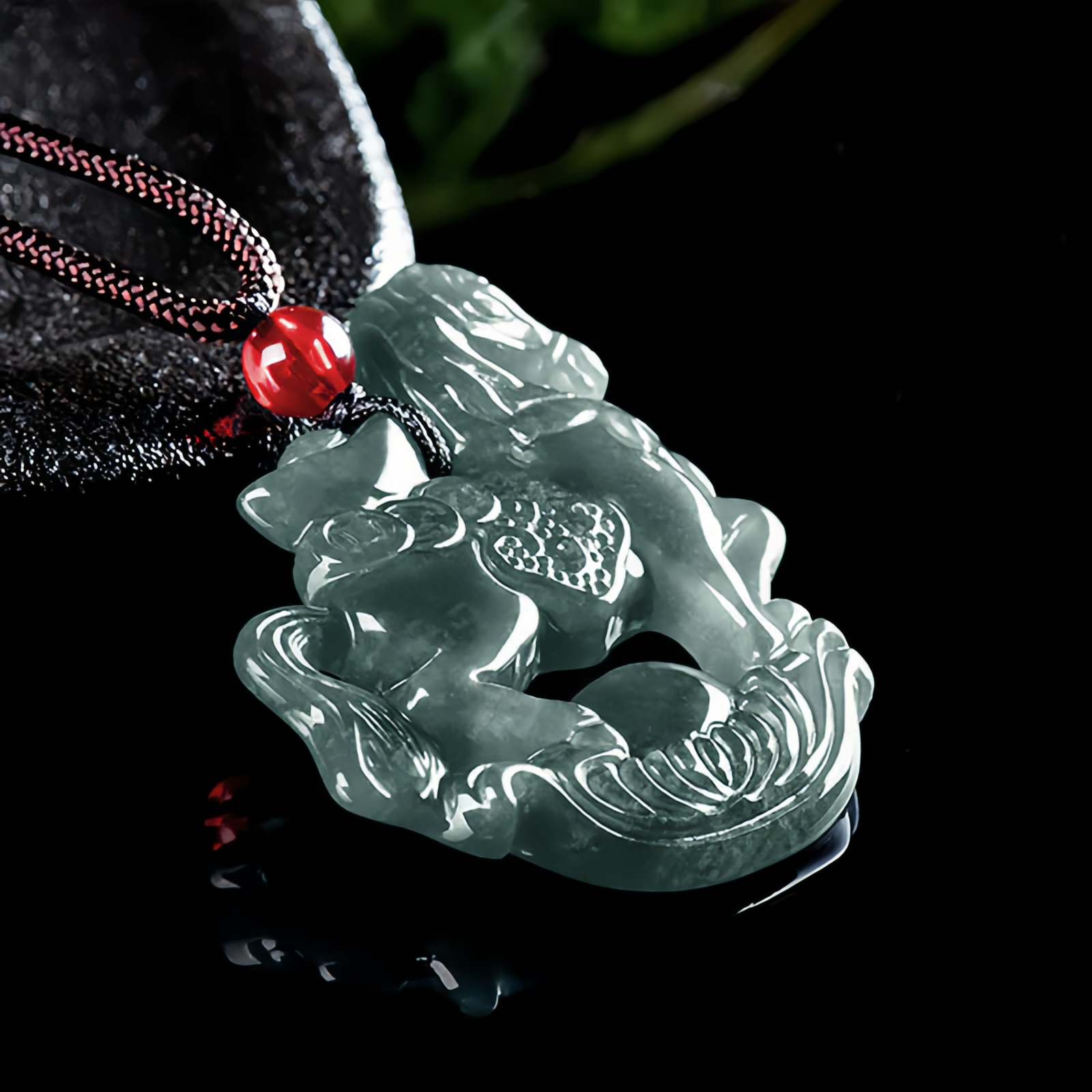
Year of the Horse Jade Ingot Luck Prosperity Rope Necklace Pendant
$60.99 USD $88.43 USD -
Year Of The Horse Chrysoberyl Glass Bead Peace Love Double-layered Bracelet


Year Of The Horse Chrysoberyl Glass Bead Peace Love Double-layered Bracelet
$32.99 USD $47.68 USD -
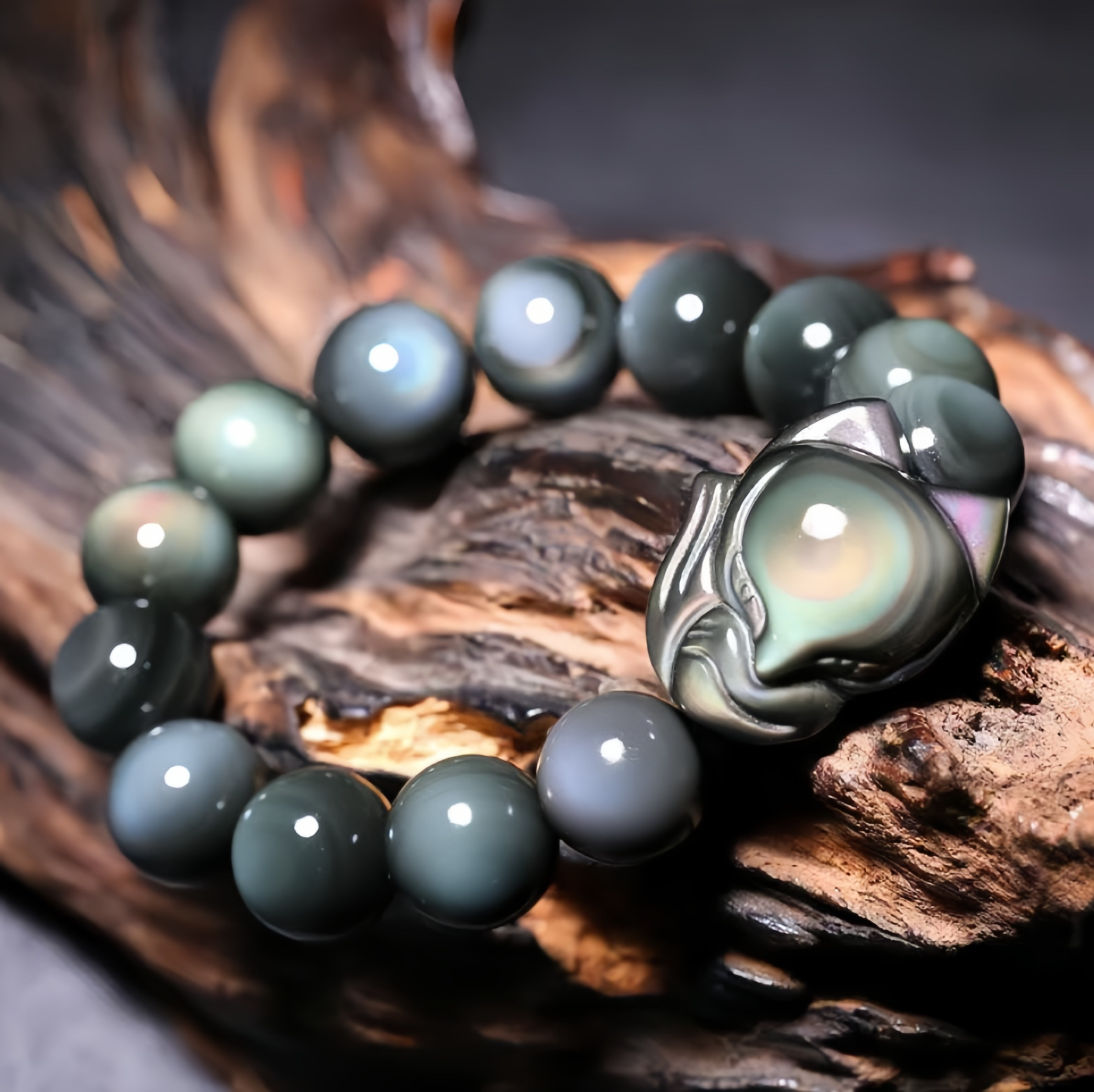
Rainbow Obsidian Fox Healing Positive Bracelet
-2-.jpeg?w=1600&h=1600)
Rainbow Obsidian Fox Healing Positive Bracelet
From $37.99 USD $55.08 USD -
Peach Wood Chinese Zodiac Year Of The Horse Ward Off Evil Spirits Necklace Pendants
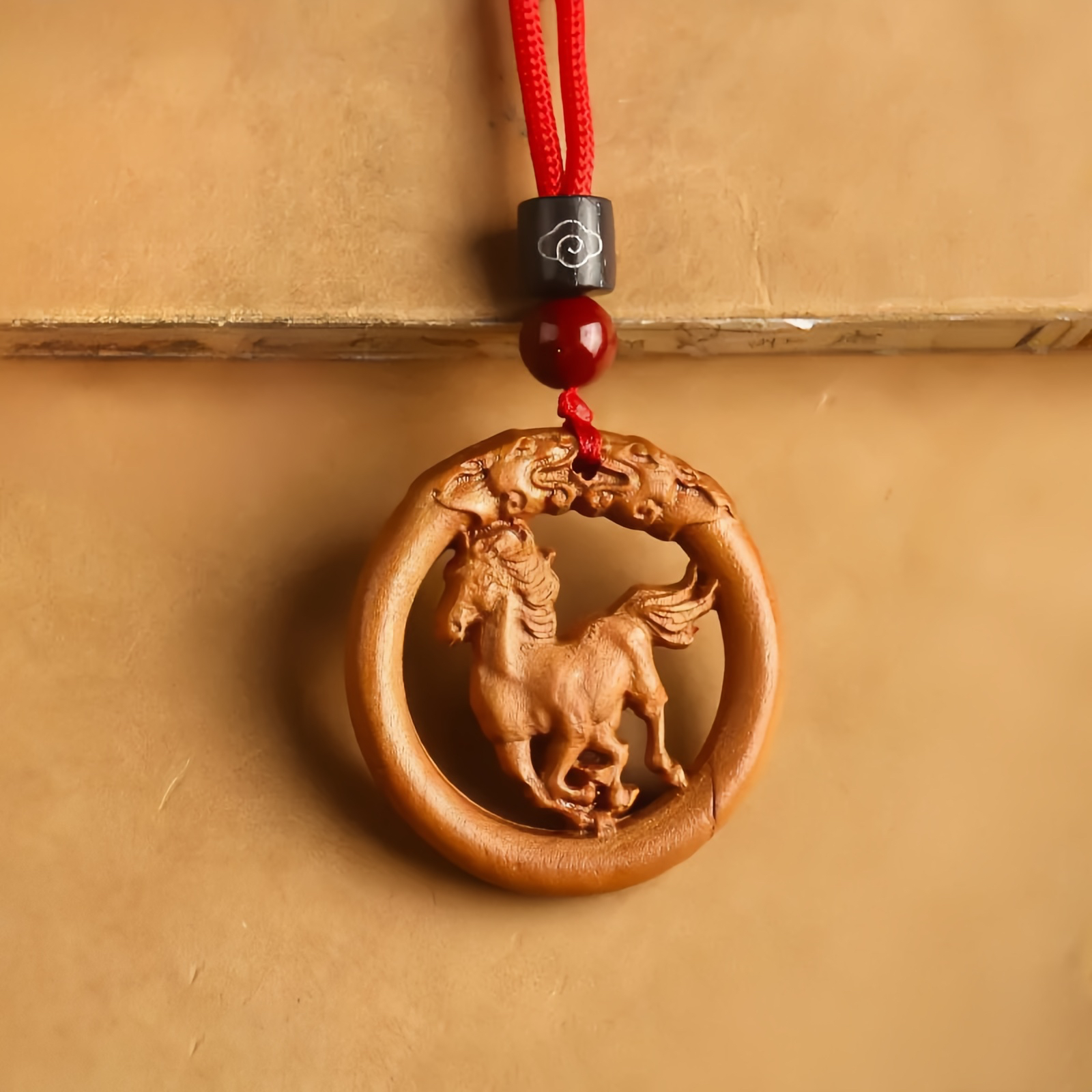
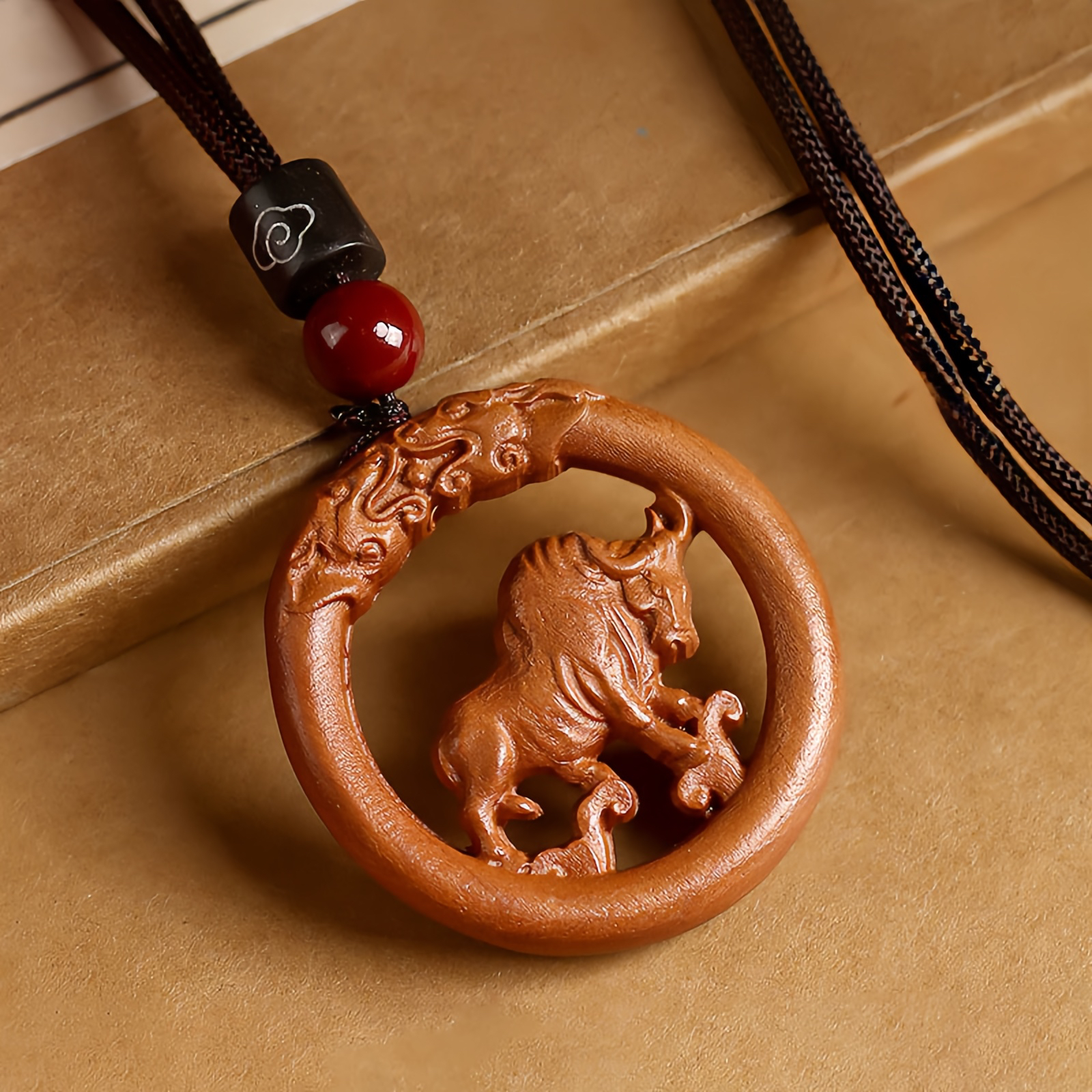
Peach Wood Chinese Zodiac Year Of The Horse Ward Off Evil Spirits Necklace Pendants
$32.99 USD $47.68 USD -
925 Sterling Silver Hetian Jade Peace Buckle Year Of The Horse Red String Bracelet

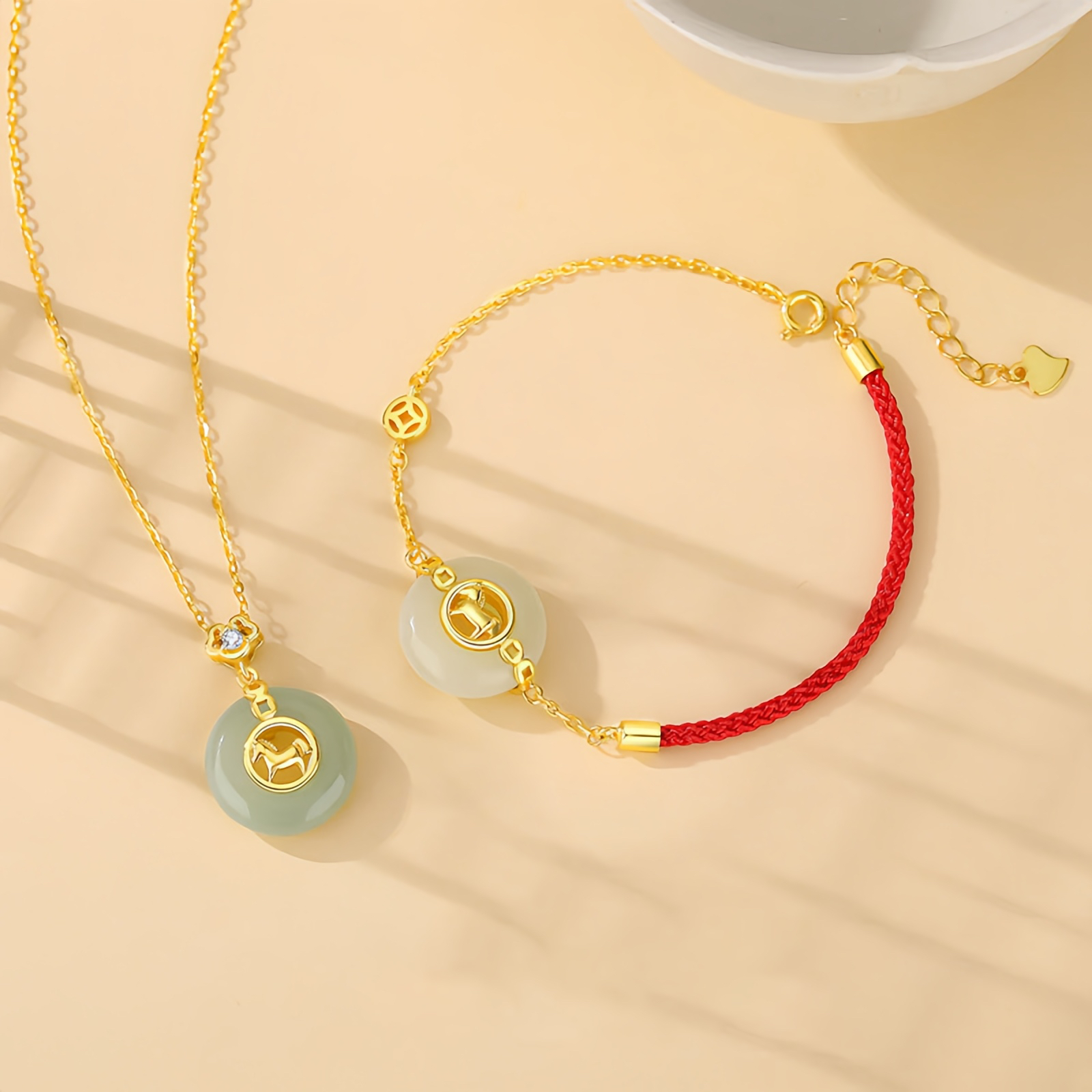
925 Sterling Silver Hetian Jade Peace Buckle Year Of The Horse Red String Bracelet
$73.99 USD $107.28 USD -
6pcs Colorful Chinese Red Envelope Year Of The Horse 2026 New Year


6pcs Colorful Chinese Red Envelope Year Of The Horse 2026 New Year
$19.99 USD $28.98 USD -
999 Sterling Silver Year Of The Horse Fu Character Charm Colorful String Rope Luck Bracelet

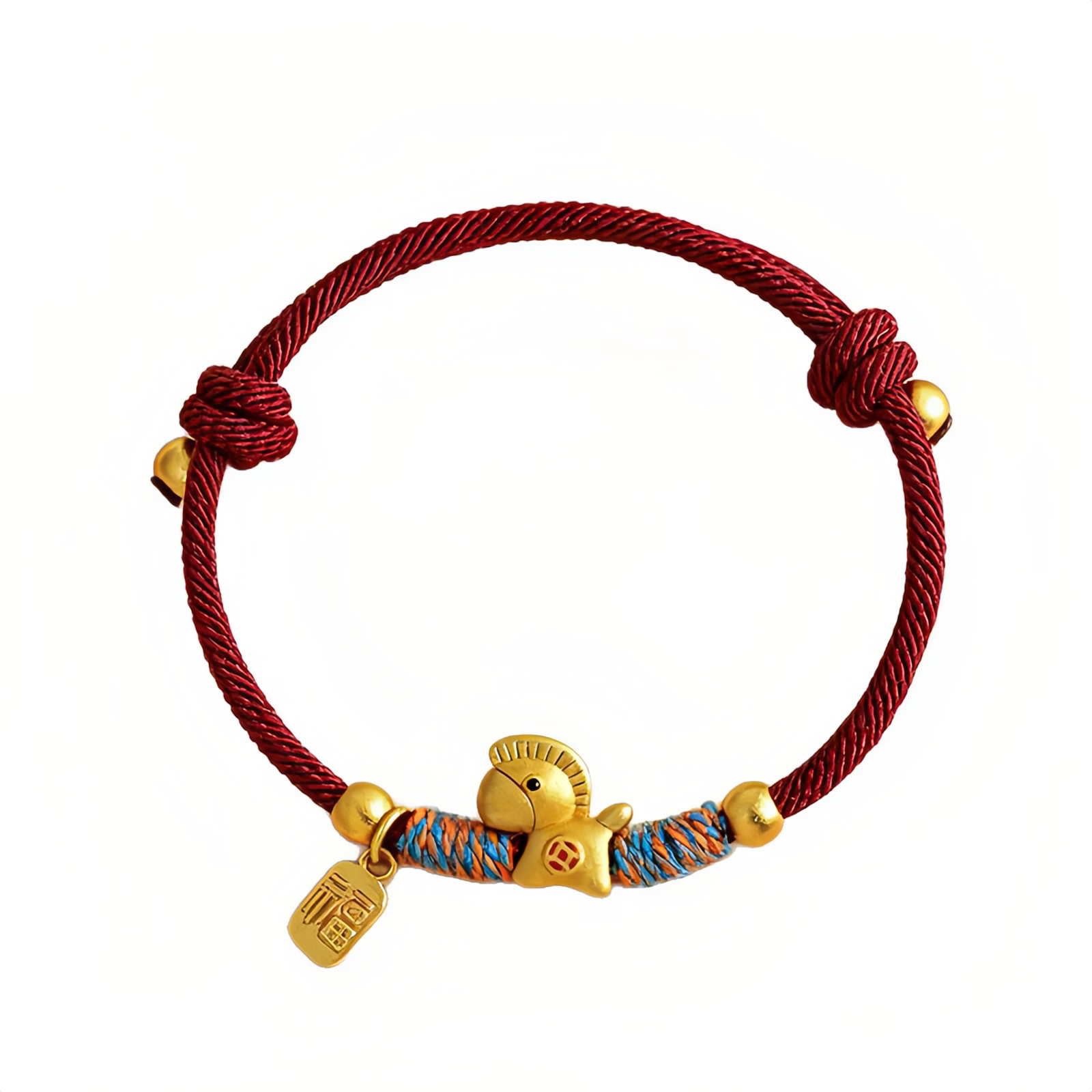
999 Sterling Silver Year Of The Horse Fu Character Charm Colorful String Rope Luck Bracelet
$34.99 USD $50.73 USD -
Year of the Horse 999 Sterling Silver String Braided Protection Bracelet

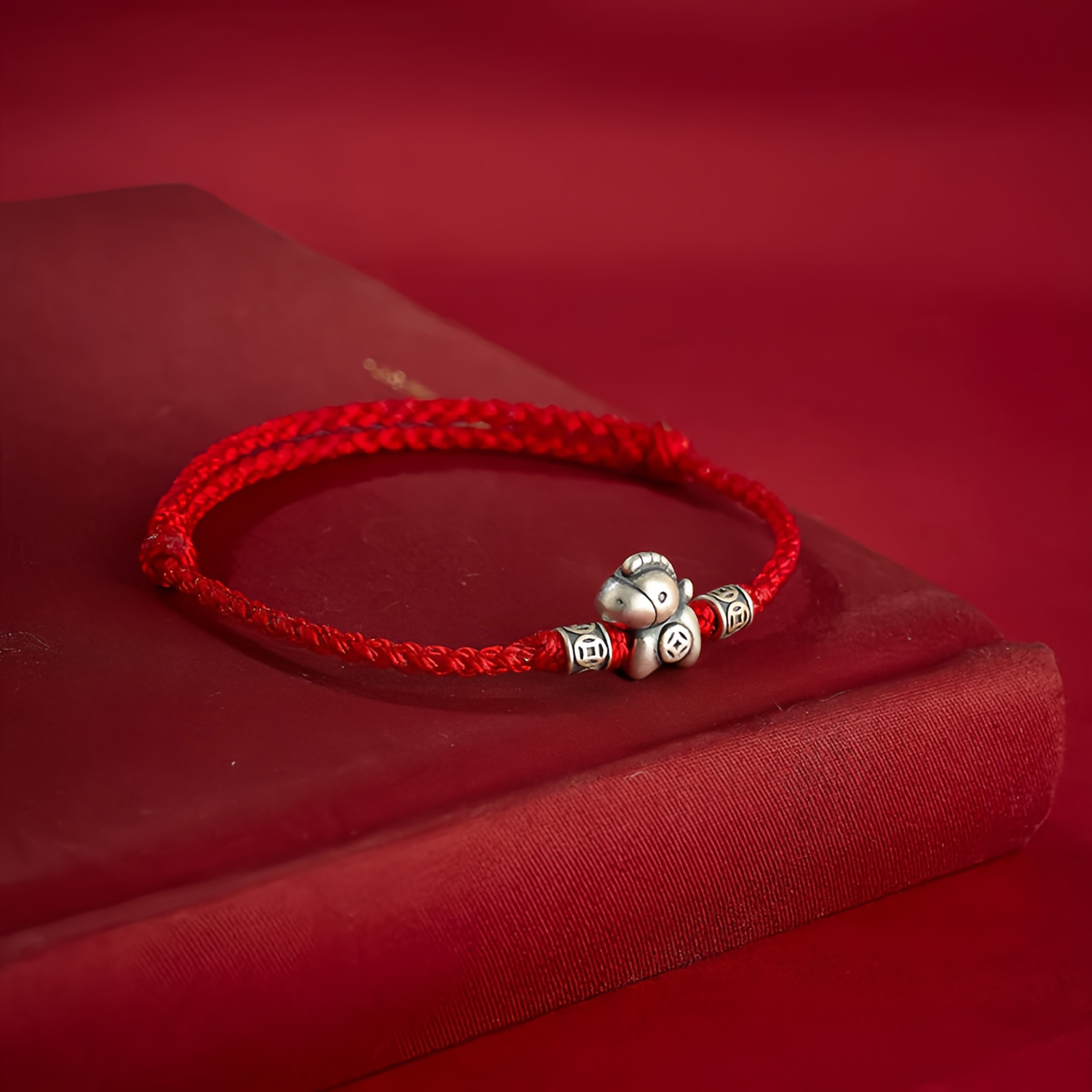
Year of the Horse 999 Sterling Silver String Braided Protection Bracelet
$47.99 USD $69.58 USD -
Year Of The Horse Natural Cinnabar Hetian Jade Concentration Bracelet
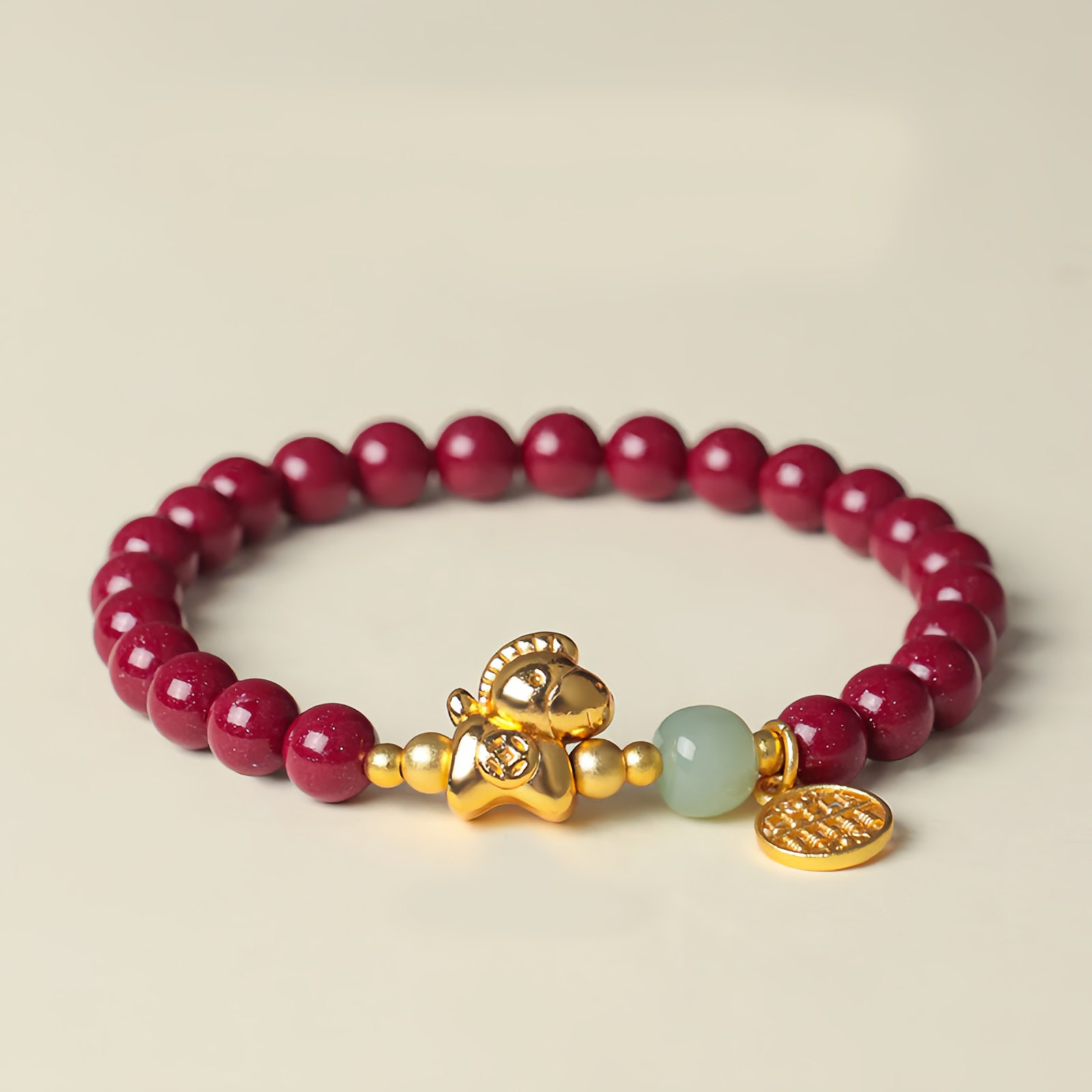

Year Of The Horse Natural Cinnabar Hetian Jade Concentration Bracelet
$32.99 USD $47.68 USD -
Horse Year Natural 8mm Obsidian Red Agate Pink Crystal Power Bracelet
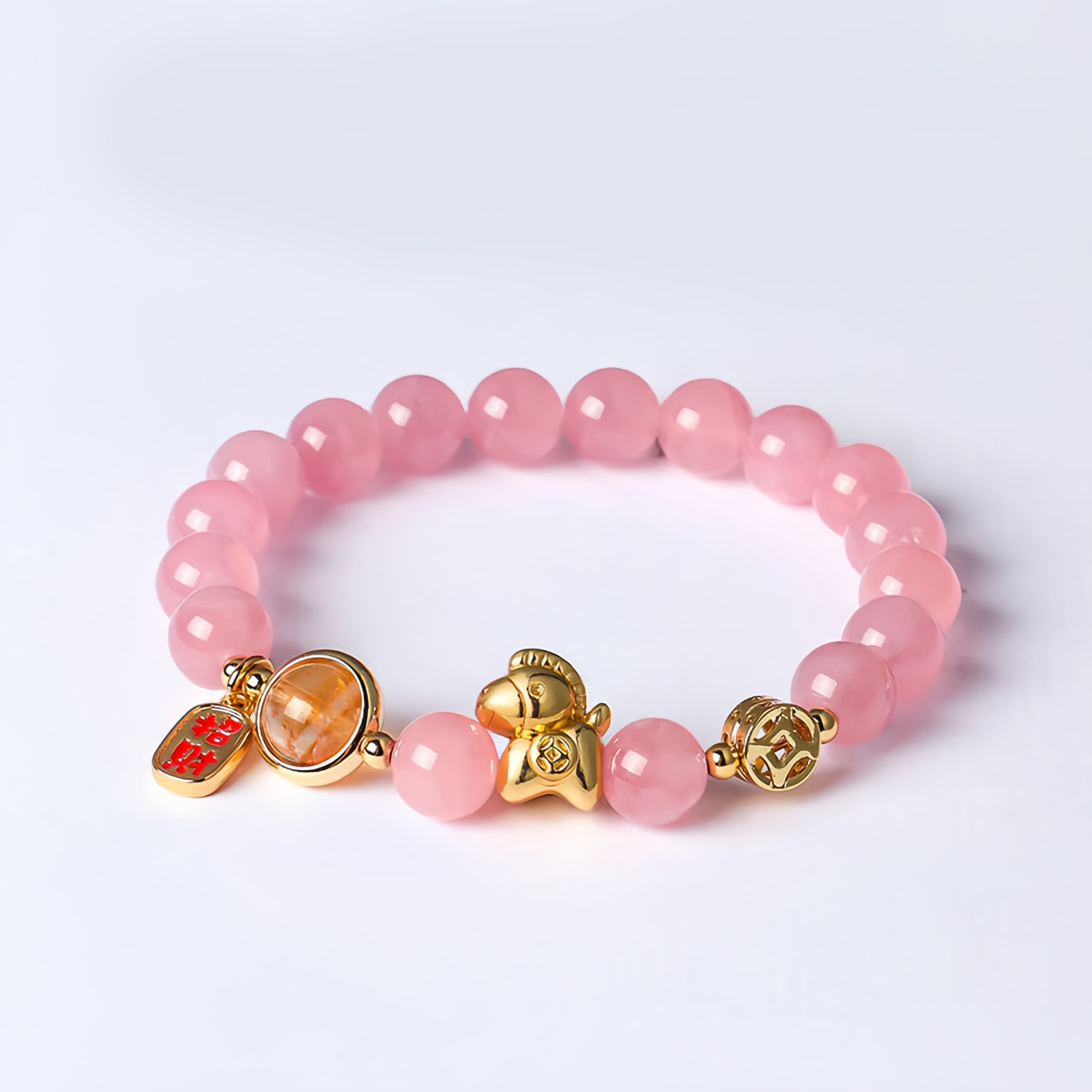
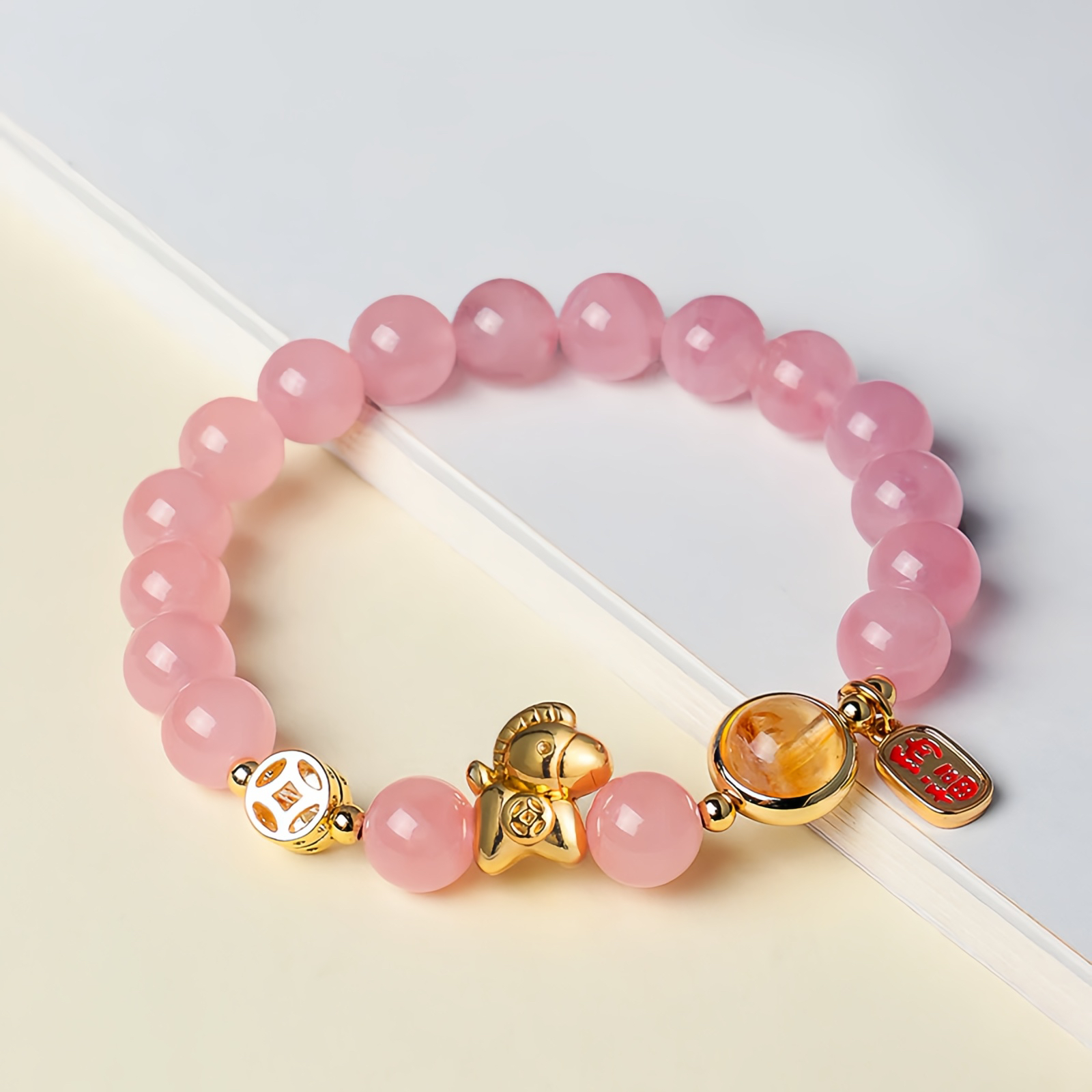
Horse Year Natural 8mm Obsidian Red Agate Pink Crystal Power Bracelet
$32.99 USD $47.68 USD -
925 Sterling Silver Year Of The Horse Red Agate Lucky Fortune Confidence Bracelet
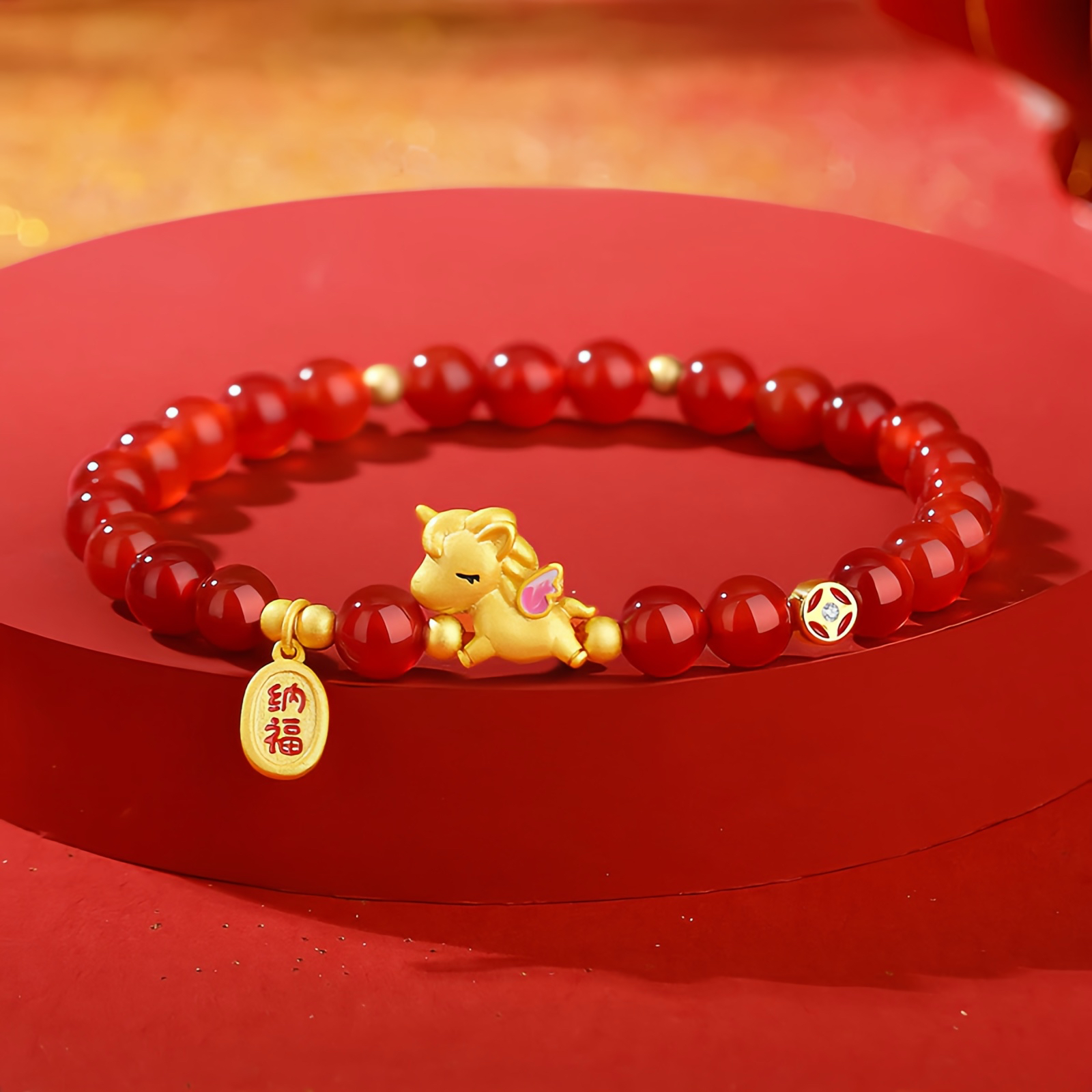
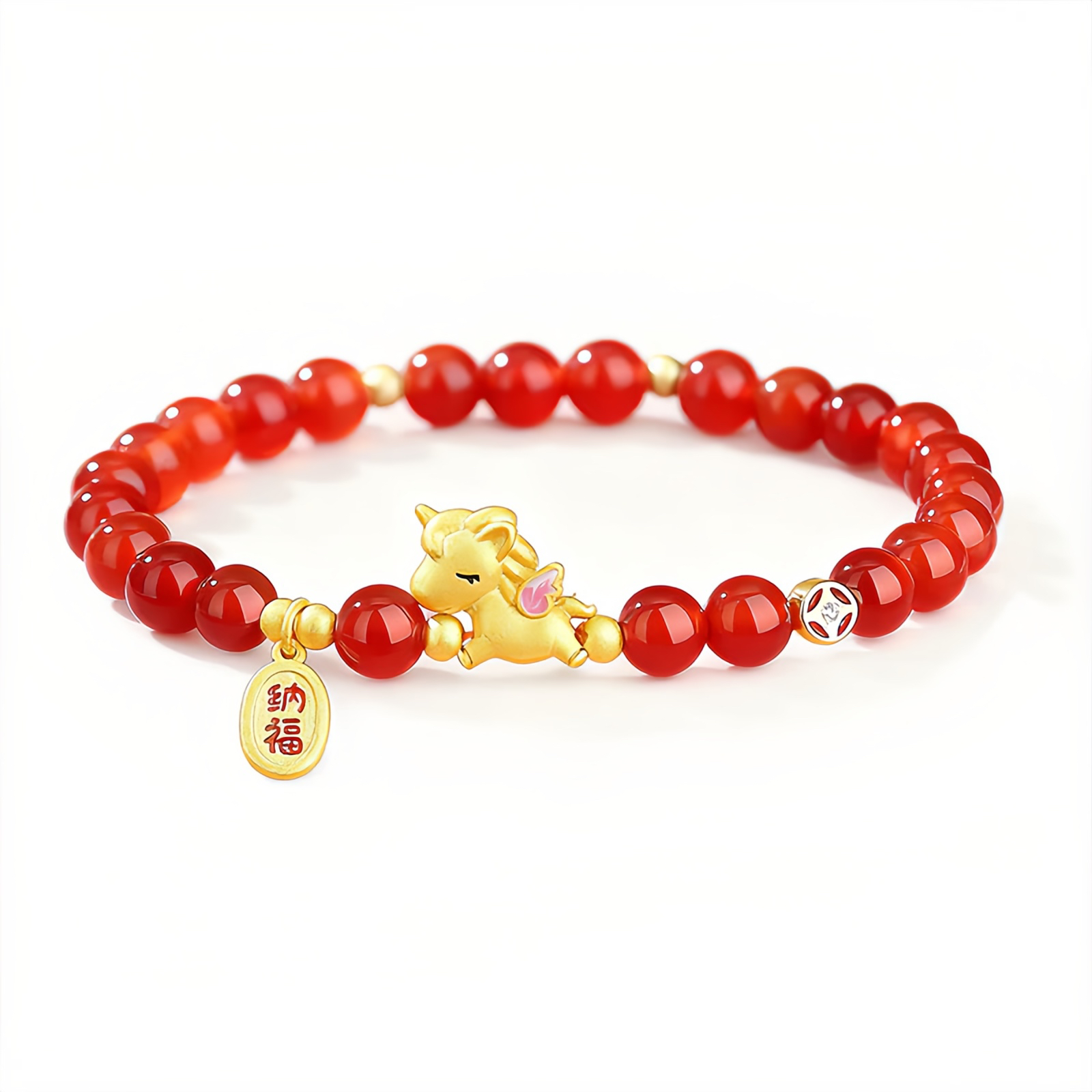
925 Sterling Silver Year Of The Horse Red Agate Lucky Fortune Confidence Bracelet
$80.99 USD $117.43 USD -
Dreamy Little Horse Niche High-End Bracelet Retro Chinese Style Pixiu Good Luck Coming Soon Wealth Birthday Gift
-0-.jpeg?w=1600&h=1600)
-8-.jpeg?w=1600&h=1600)
Dreamy Little Horse Niche High-End Bracelet Retro Chinese Style Pixiu Good Luck Coming Soon Wealth Birthday Gift
$32.99 USD $47.83 USD -
Jade Bamboo Leaf Lily Of The Valley Pattern Luck Abundance Bracelet
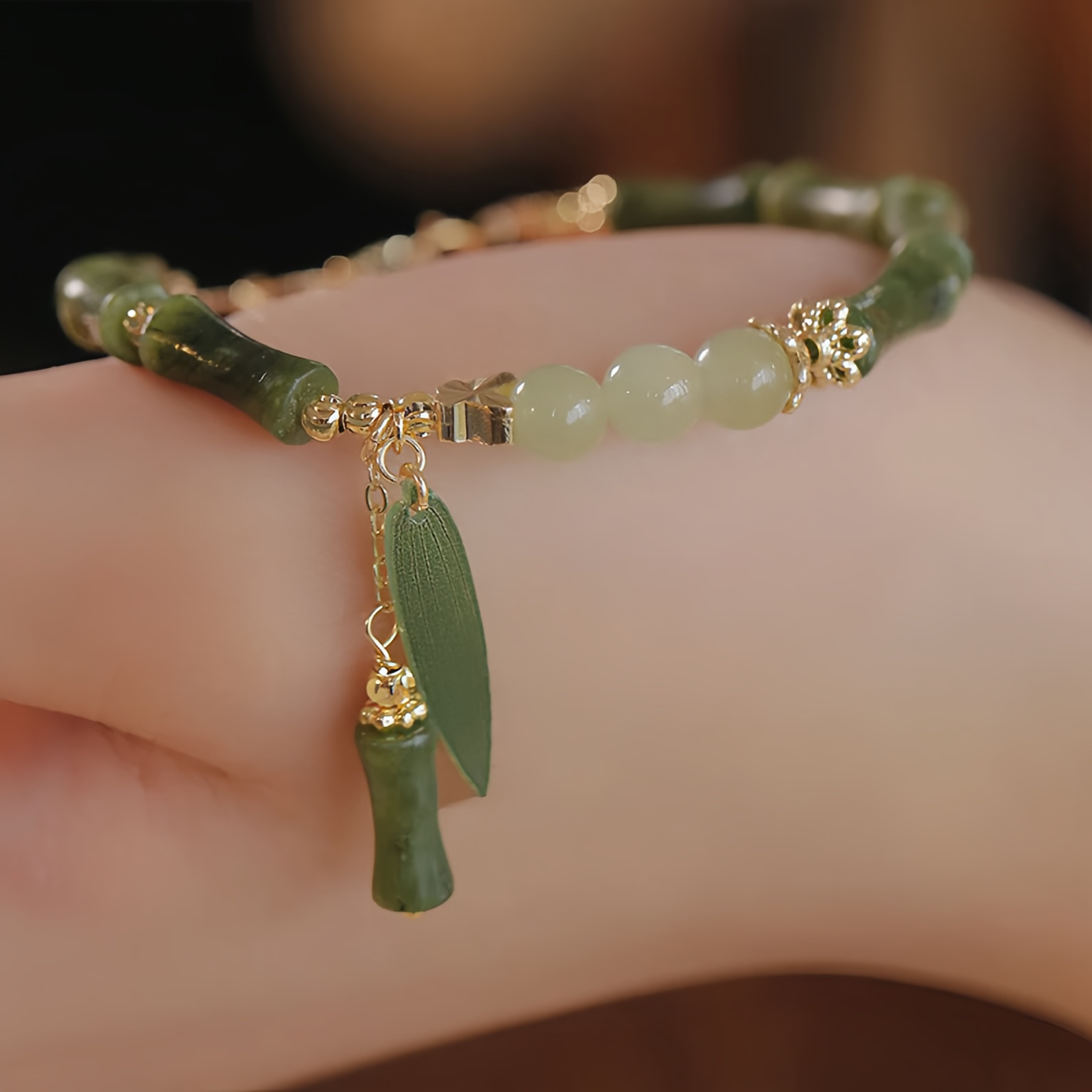
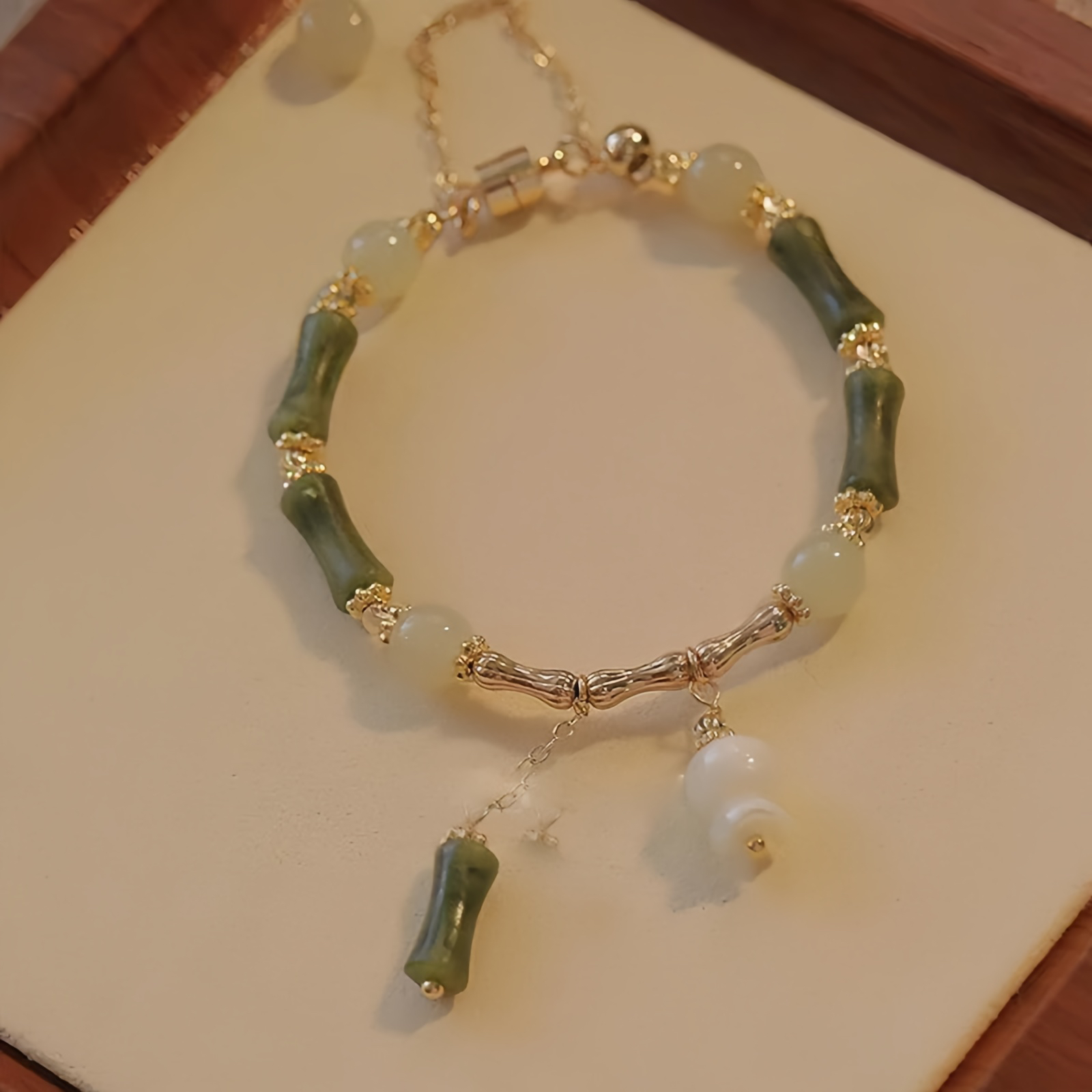
Jade Bamboo Leaf Lily Of The Valley Pattern Luck Abundance Bracelet
$32.99 USD $56.58 USD -
Peace Buckle Jade Abundance Braided Bracelet
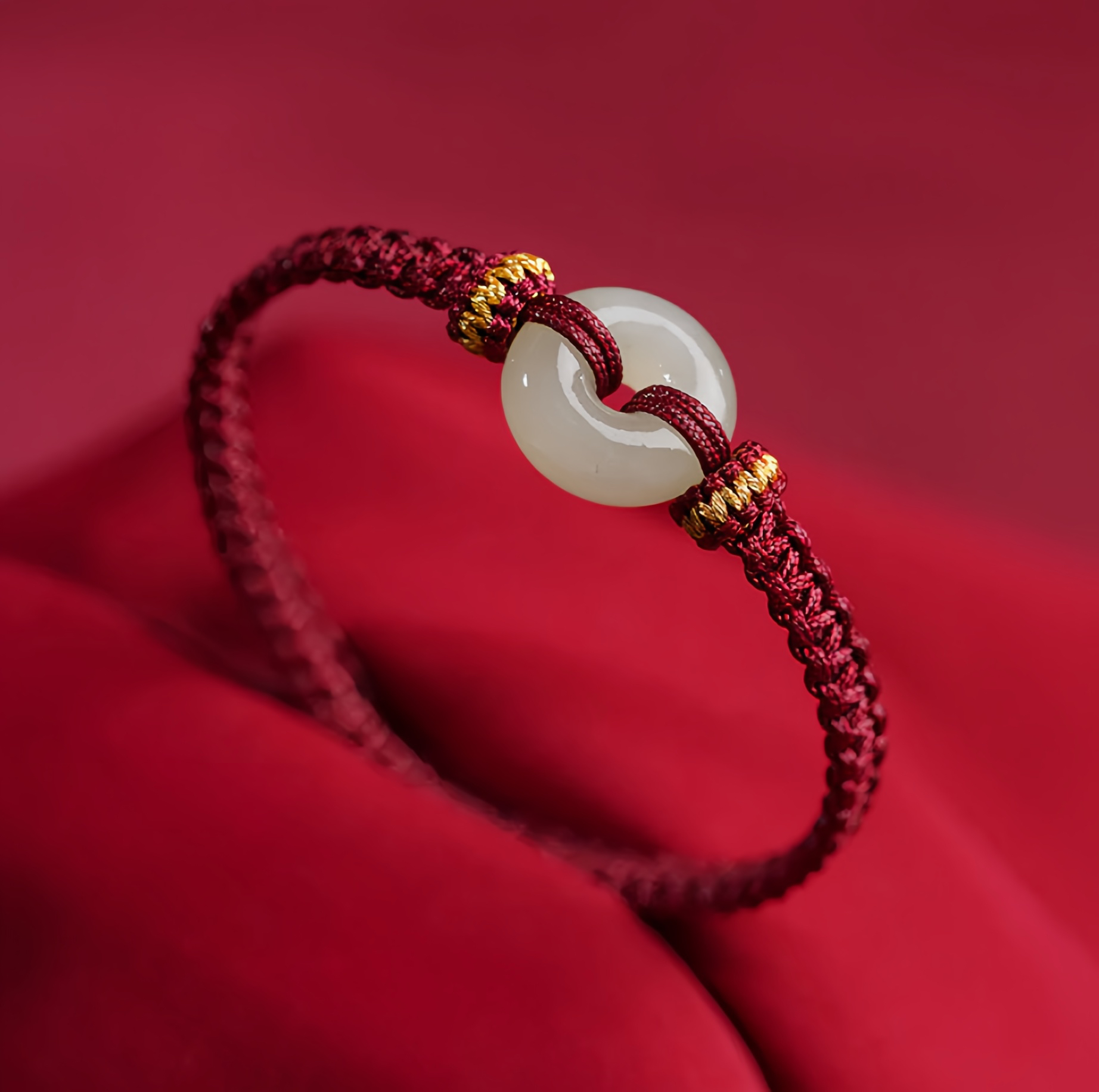
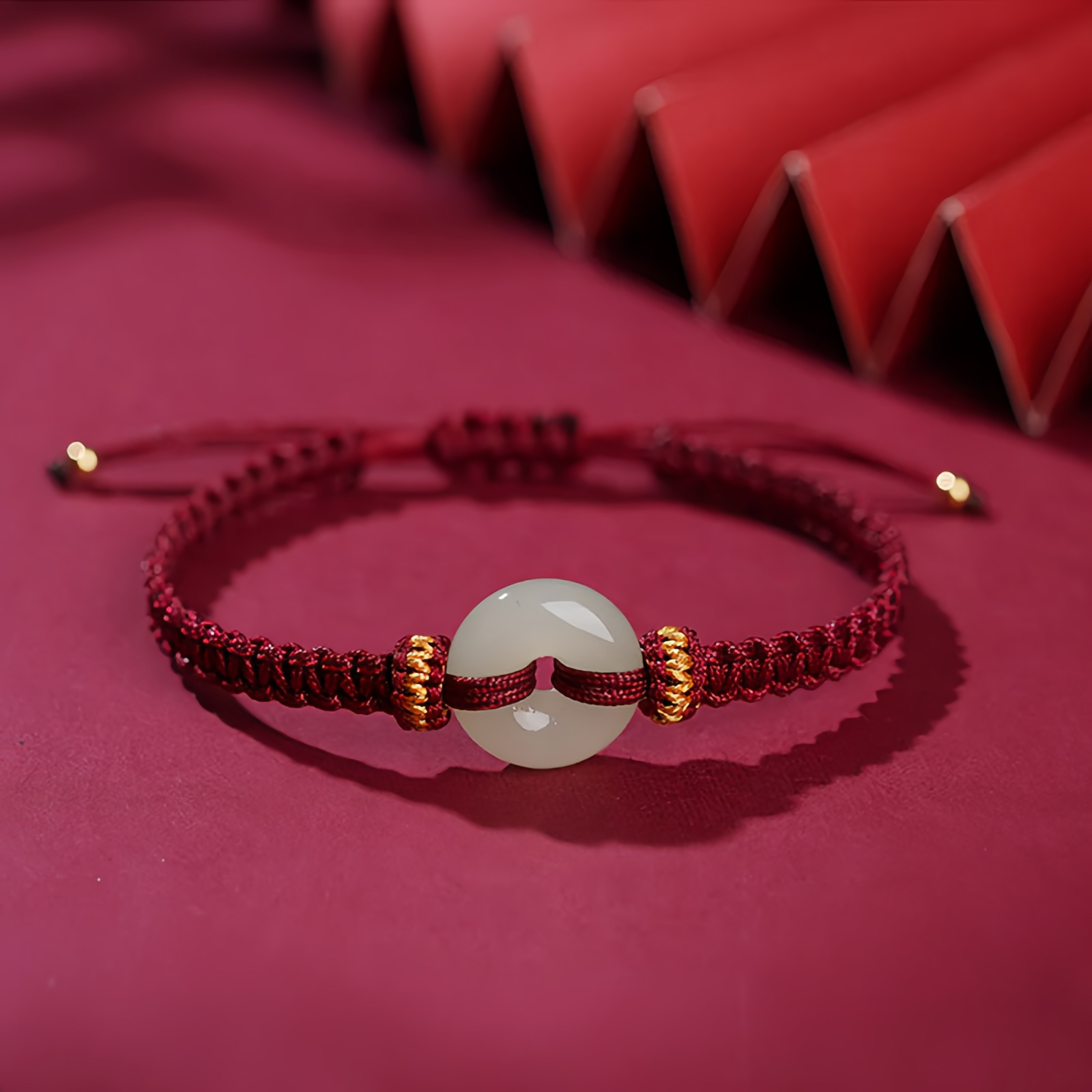
Peace Buckle Jade Abundance Braided Bracelet
$32.99 USD $46.58 USD -
Pink Crystal Four Leaf Clover Love Chain Bracelet

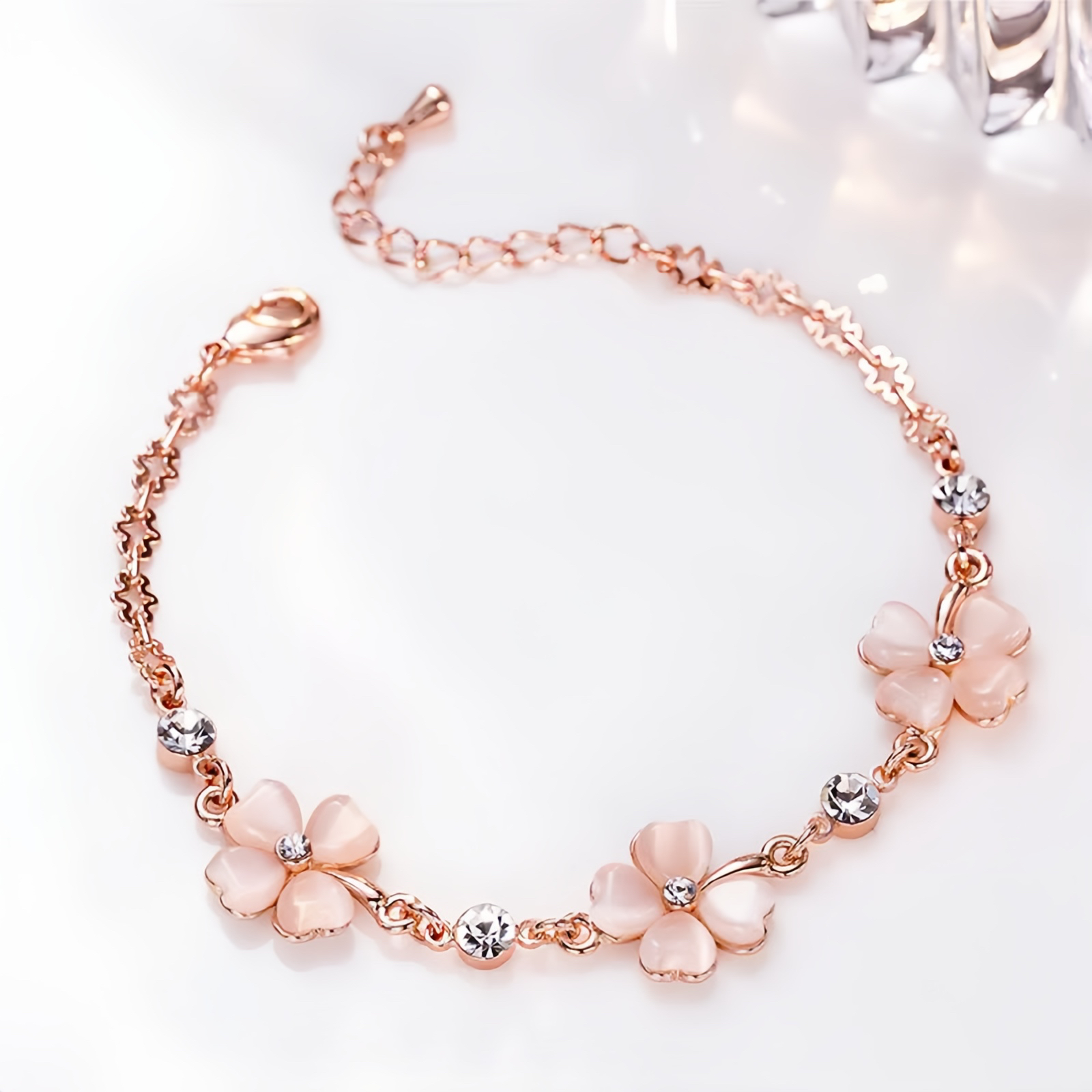
Pink Crystal Four Leaf Clover Love Chain Bracelet
$32.99 USD $45.68 USD -
Vintage Dragon Keel Braided Twisted Design Wealth Buckle Bracelet
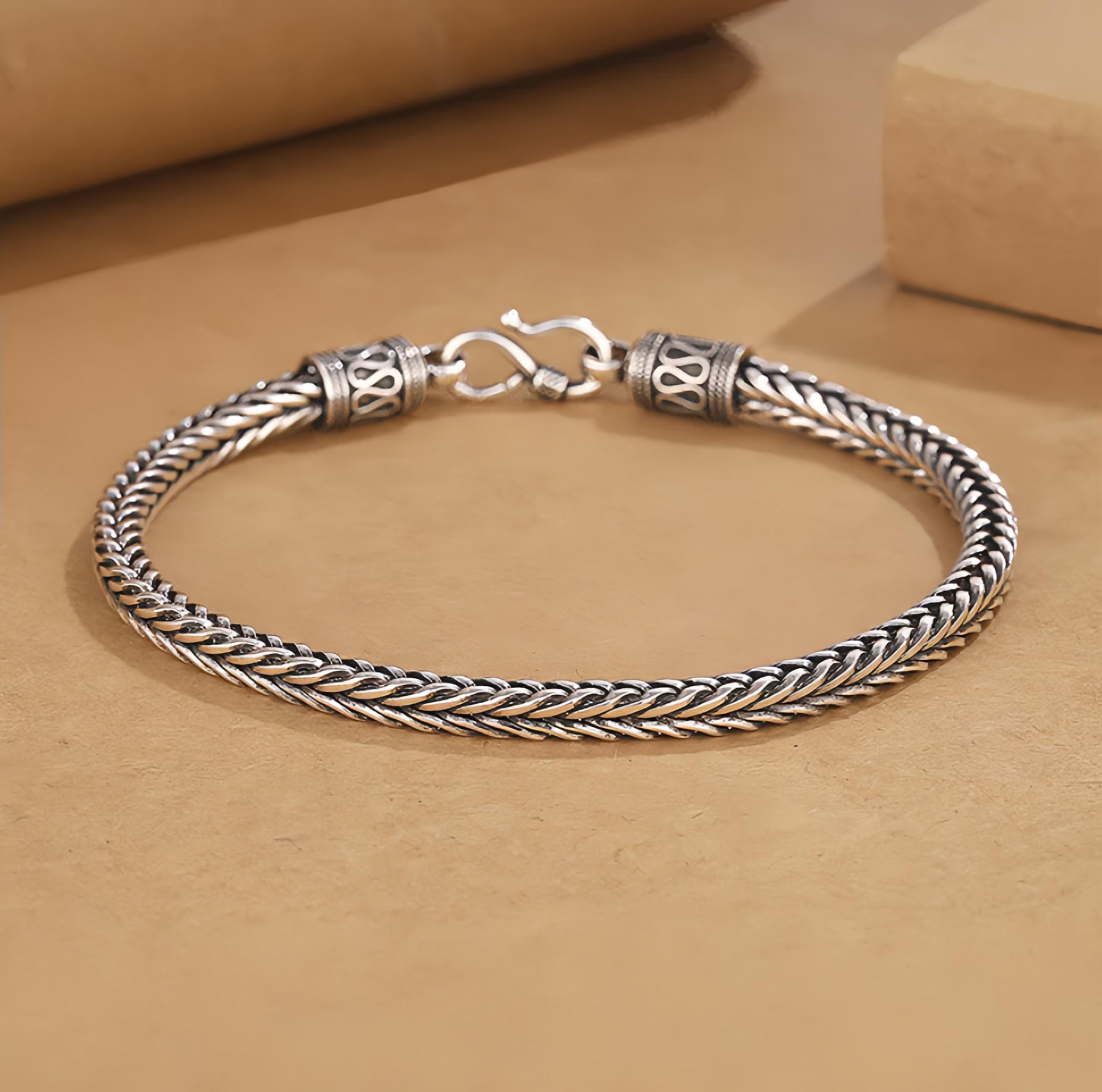
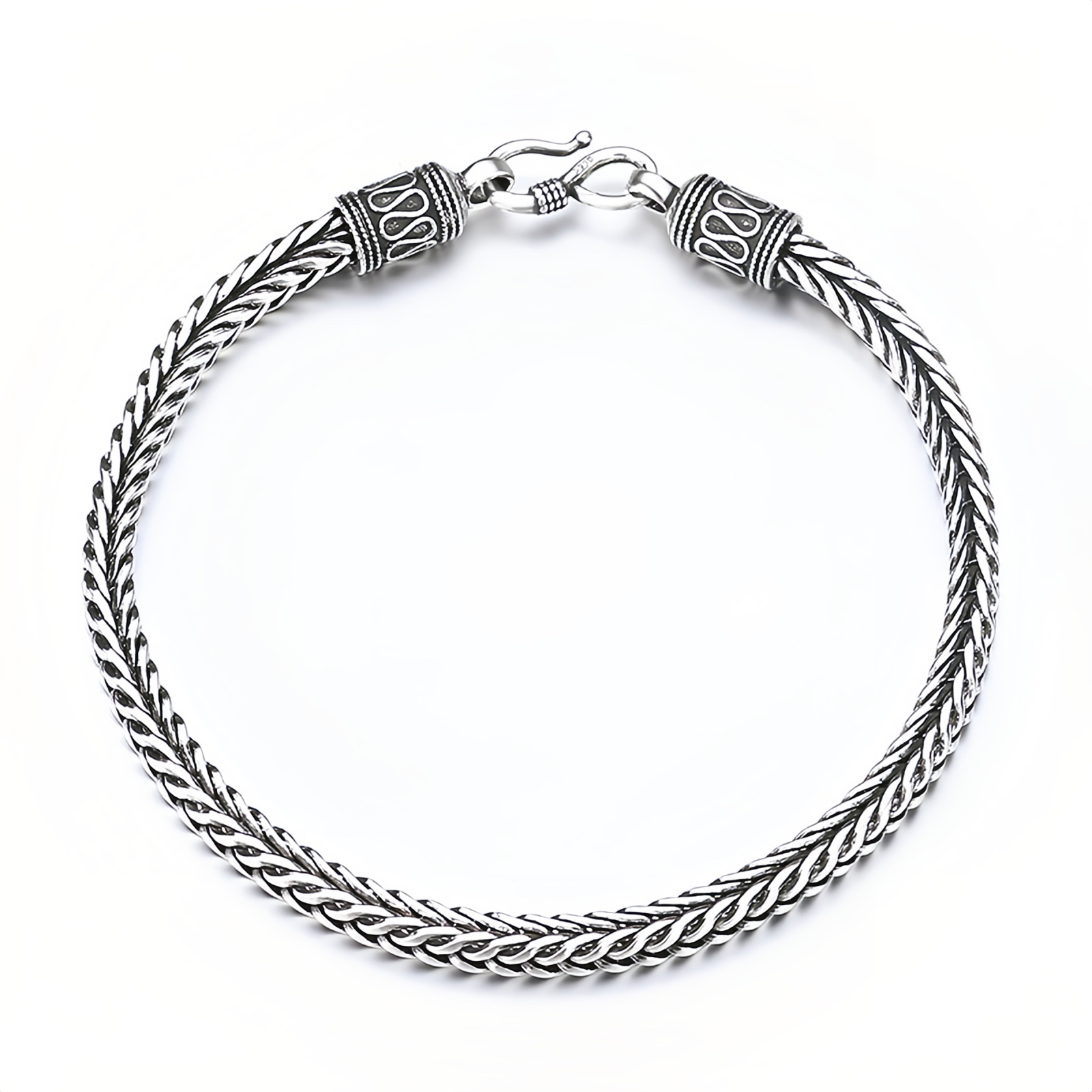
Vintage Dragon Keel Braided Twisted Design Wealth Buckle Bracelet
$32.99 USD $46.58 USD
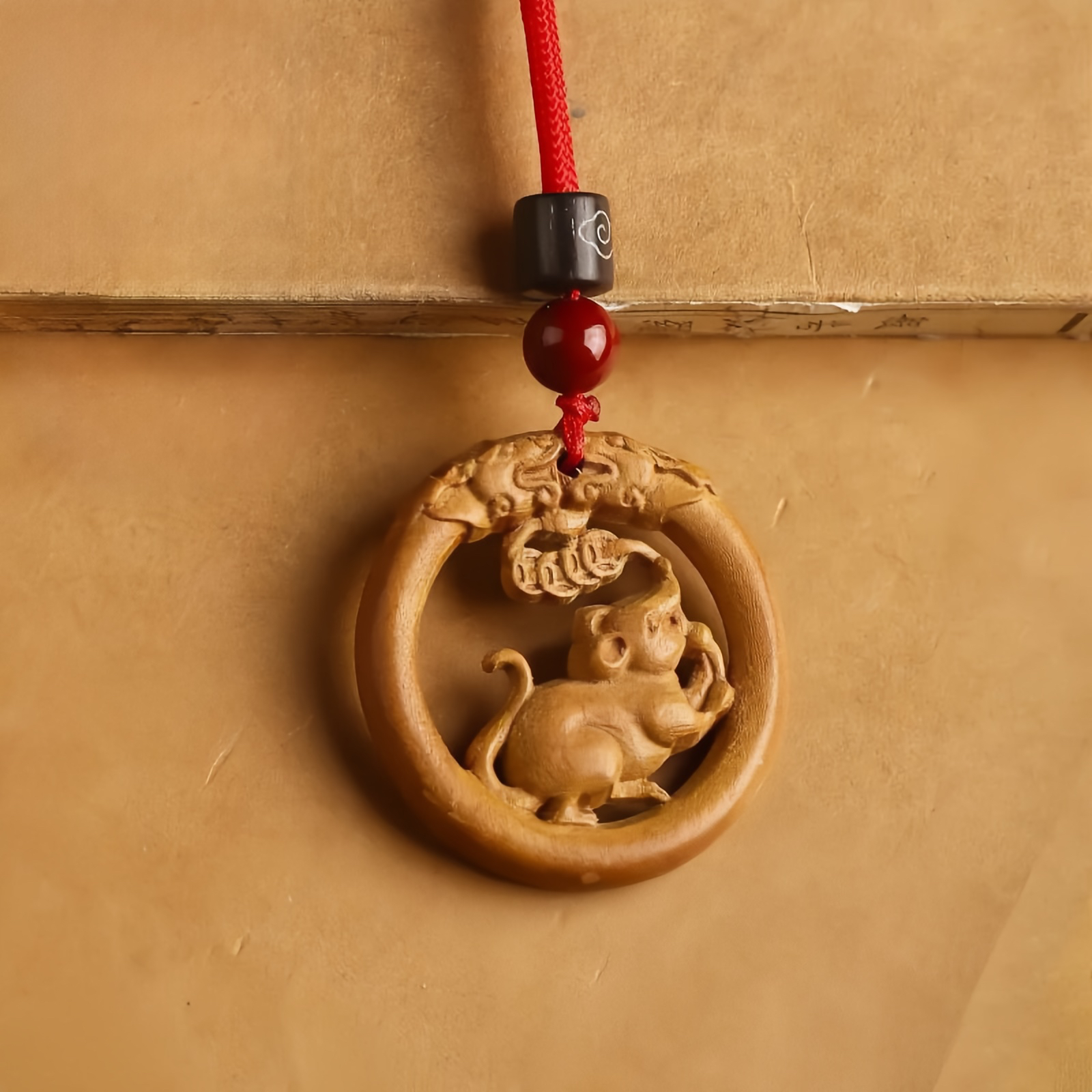
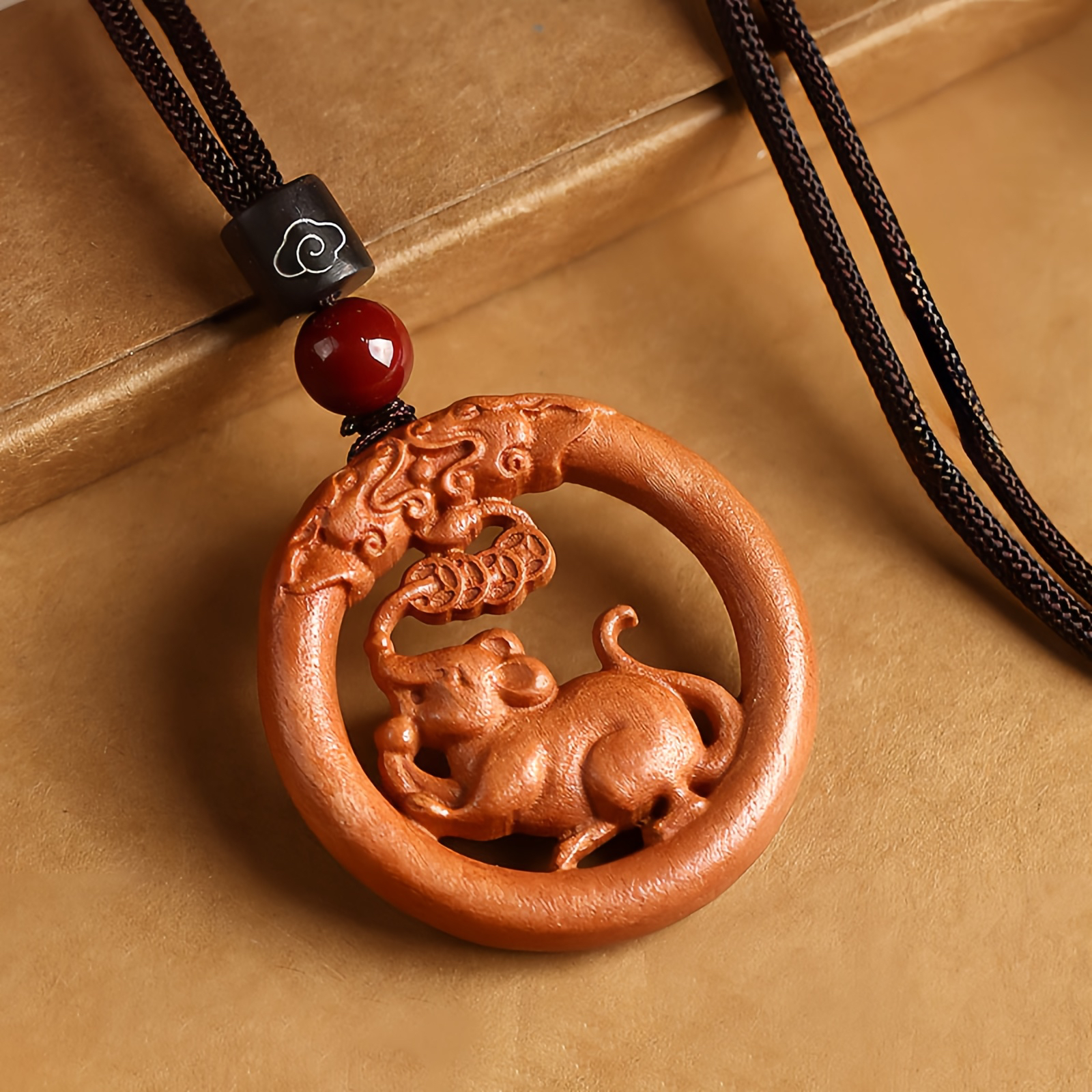
Let the mind return to its true nature through Zen practice
Meditation is a lifelong practice. There is no need to pursue immediate results. Every practice is a gentle gaze at life.
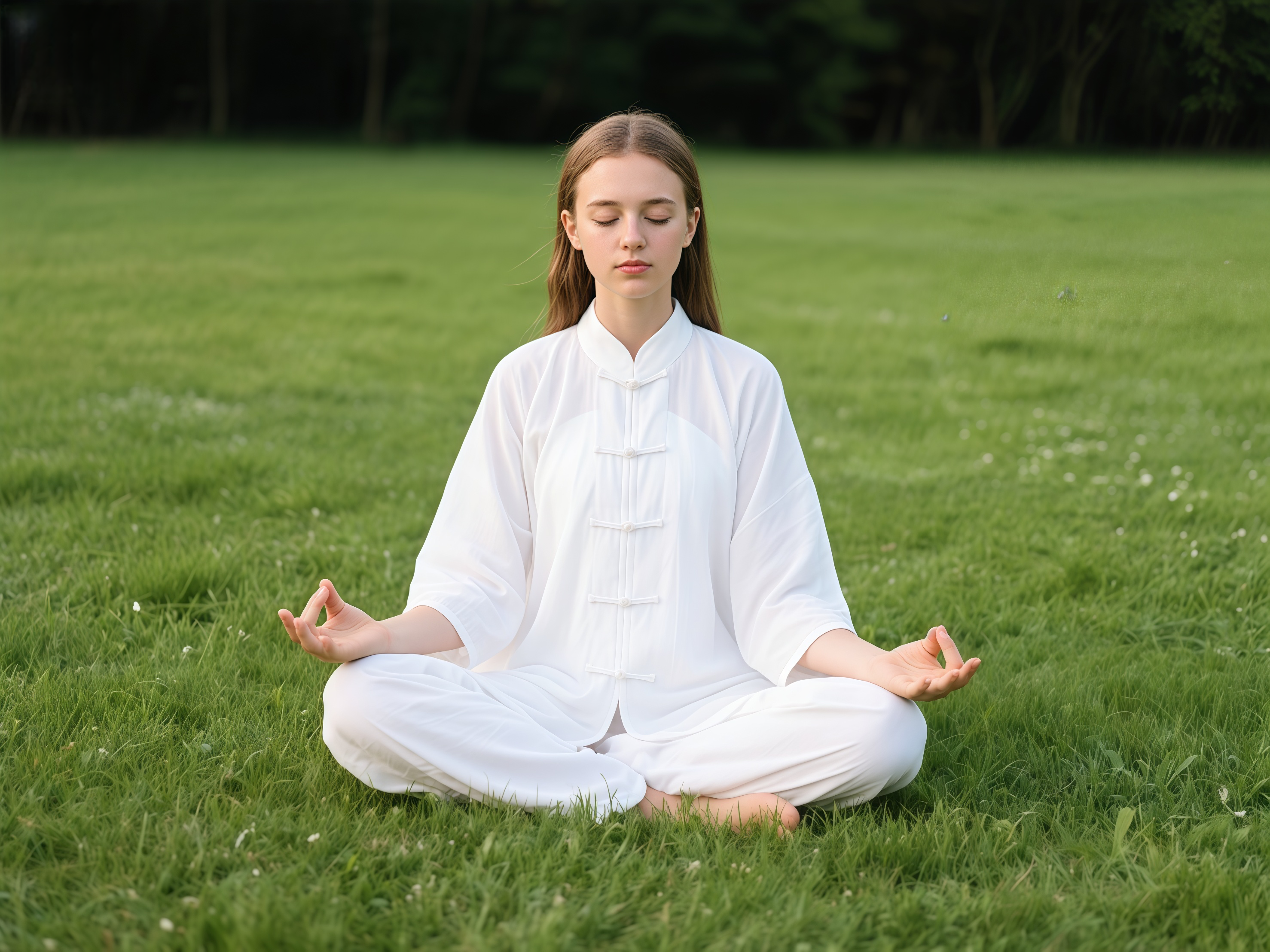
The Origins and History of Meditation
Meditation can be traced back to the Vedic period in ancient India (about 2000 BC). In the Vedas, meditation is seen as a way to communicate with the universe. "Zen meditation" in Buddhism and Hinduism is an important form of meditation, emphasizing the peace of mind through concentration and introspection.
What is meditation?
Improved mental health
Relieve stress and anxiety
Meditation reduces anxiety and stress responses by reducing cortisol (stress hormone) levels and helping to reduce activity in the brain's amygdala (fear processing center). For example, mindfulness meditation has been shown to be effective in combating depression and reducing excessive worry about the past or future by living in the present.
Emotional stability and self-awareness
Meditation trains individuals to observe their thoughts without being controlled by them, enhancing their ability to regulate emotions. Studies have shown that long-term practitioners have less mood swings and significantly improve empathy and compassion.
Improved physical health
Improved sleep quality
Meditation relieves insomnia by regulating circadian rhythms and relaxing the nervous system. Studies have found that practitioners fall asleep faster and sleep longer.
Enhanced immunity and chronic disease management
Meditation reduces inflammatory responses, increases antibody levels, and improves immune function. For example, patients with hypertension can lower blood pressure and reduce the risk of cardiovascular disease through meditation.
Improved cognition and creativity
Enhanced concentration and memory
Meditation trains the brain's prefrontal cortex to improve attention and information processing efficiency.
Studies have shown that practitioners perform better than the control group in complex tasks.
Creativity and problem-solving
Meditation promotes divergent thinking by relaxing the brain's default mode network. For example, participants' performance on creative tasks was significantly improved by meditation practice.
Long-term physical and mental benefits
Delaying brain aging
Short-term meditation (such as 8 weeks) can increase the density of gray matter in the hippocampus and delay cognitive decline.
Establish healthy living habits
Meditation helps reduce dependence on substances such as tobacco and alcohol, replacing external stimulation with inner calmness.
How to practice meditation?
The following is a complete guide to meditation practice, integrating scientifically proven methods and practical skills to help beginners get started quickly:
1. Basic preparation
Environment selection
Choose a quiet, well-ventilated space to avoid strong light and noise interference. You can use candles, aromatherapy or white noise to help create an atmosphere. Turn off mobile phones and other electronic devices to reduce external interference.
Posture adjustment
Sitting: cross-legged, kneeling or sitting on a chair, with your back straight, and your hands naturally placed on your knees or thighs, with your palms facing up or down.
Lying position: If the sitting position is uncomfortable, you can lie flat, but be aware of the risk of falling asleep.
Key: Keep the spine naturally upright and avoid tension. You can adjust it with the help of cushions.
2. Core practice steps
Focus on breathing
After closing your eyes, breathe naturally, inhale slowly through your nose and exhale through your mouth, focusing on the feeling of airflow in and out of your nasal cavity or the rise and fall of your abdomen.
If your mind wanders, count the number of breaths silently (such as "1" for inhalation and "2" for exhalation, and cycle to 10) to help you focus.
Body scan and perception
Observe each part of the body from head to toe, notice the areas of tension or relaxation, and release tension through breathing.
You can enhance the relaxation effect by imagining scenes (such as waves and forests).
Accept the fluctuation of thoughts
When distracting thoughts appear, observe from the perspective of a bystander rather than judge them, imagine them flowing naturally like "vehicles on the road", and then draw attention back to breathing.
3. Recommendations for different types of meditation
Mindfulness meditation
Focus on the current feelings (such as sound and touch), cultivate non-judgmental awareness, suitable for relieving anxiety.
Moving meditation
Enter a meditative state through gentle exercises such as yoga, Tai Chi, and walking meditation, suitable for those who find it difficult to sit for a long time.
Vipassana meditation
Observe the laws of physical and mental changes (such as breathing frequency and emotional fluctuations), experience the essence of "impermanence", and require higher concentration.
4. Practice frequency and advancement
Time management
Beginners are recommended to practice 5-10 minutes a day, gradually extending to 20-30 minutes612. Best time: after getting up in the morning or before meals in the evening, avoid after meals and before going to bed.
Long-term persistence skills
Set a fixed time and record progress, such as using a meditation app (such as Tara Brach's guided audio) to assist.
Join a meditation community or course to exchange experiences with others.
5. Common problems and precautions
Coping with initial challenges
Numbness in the legs or back pain: adjust the sitting posture or use a cushion to shorten the single practice time.
Frequent distractions: Try open-eye meditation (focusing on a fixed point) or join the guided audio.
Taboos and misunderstandings
Avoid forcing to clear your mind. The goal of meditation is awareness rather than control.
Patients with severe mental illness need to combine professional treatment, and meditation is only for assistance.